Introduction
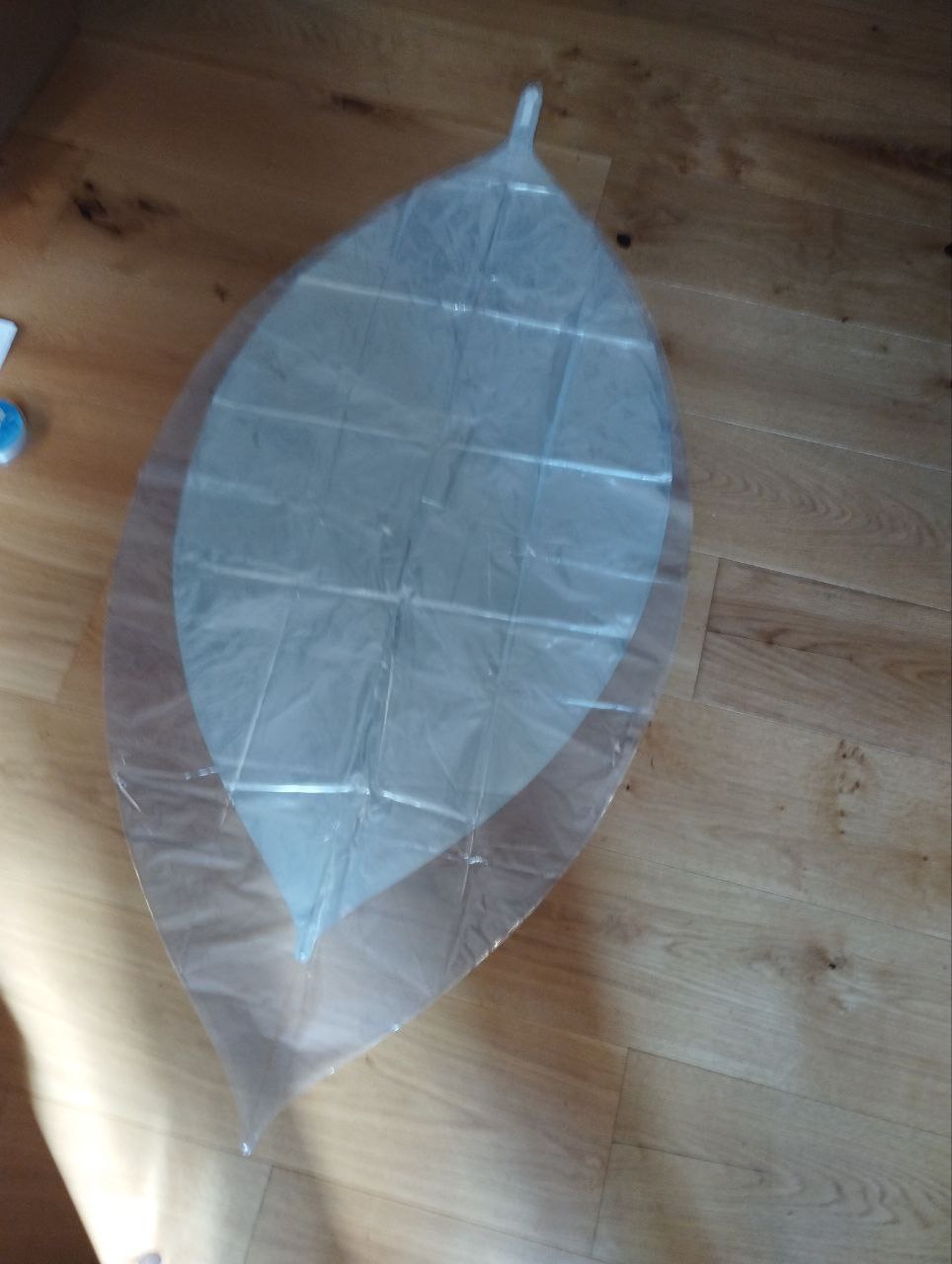
Pico-10 was launched on 24/09/2025 and used a new clear 60" ‘cymylar’ balloon purchased from Alibaba. At £40 for a pack of 20, this is the cheapest balloon we have used so far.
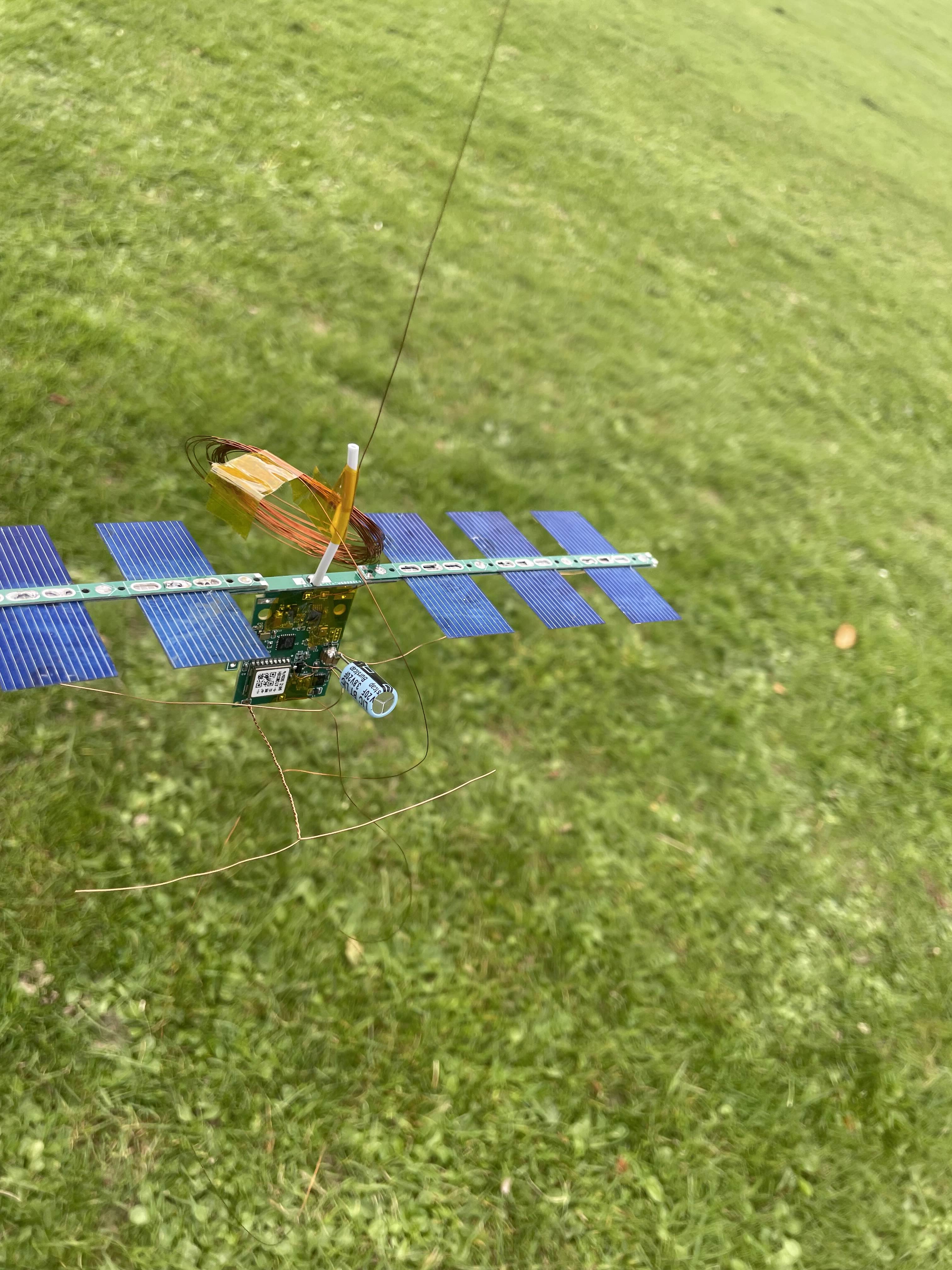
The payload was identical to that of Pico-7 and reused the PCB from Pico-9.
We used around 3.5g of free lift.
Launch Day
There was some intermittent cloud so we tried to time the launch so that the sky would be clear. After preparing the payload, we had to wait for a tractor to finish cutting the grass on the field. This gave the supercapacitor ample time to charge and we were able to receive a transmission before launching it.
After initially gaining altitude, the balloon seemed to have a similar issue to the last launch and looked like it was going to end up in a tree. Luckily this didn’t happen and it did eventually rise clear. Unfortunately the camera seems to struggle to focus on the clear balloon, and we weren’t able to get a very good photo.

The balloon rose steadily to a float altitude of around 12,000m.
Post Launch
Over the next few days the balloon made a slow spiral around western Europe before heading north. On day five it passed close to Bear Island (halfway between Norway and Svalbard). Due to the low solar angle it was only able to transmit a single type 1 WSPR message.
The flight continued to struggle with low solar angles at northern latitudes. It achieved circumnavigation on 17/10 (24 days after launch), although we couldn’t verify this until 19/10 because it was too far north.
On 25/10, the balloon was over Alaska and predictions showed it would drift north, potentially passing within 200km of the North Pole.
Long term predictions suggest it’s still too far north to start up, and the declining solar angles have made this more likely.
The current distance stands at 51,485km and a duration of 31 days, which are both new records for us. It’s possible that the balloon is still floating, however we have no way to verify this until it drifts further south.
New design requirements
While this balloon was very successful when it came to float duration and tracker stability, it highlighted a major issue in our design: the solar panels aren’t able to provide enough power at low sun angles (<12°), even with the supercapacitor. As winter approaches, this will become even more of an issue.
To combat this issue, we are designing a new solar system that uses angled solar panels. This should allow the tracker to start up with solar angles as low as 1-2°. We’re currently waiting for the new PCBs to be delivered and hope to launch the first one in December.
Update 03/11/25
After 9 days of silence, the balloon reappeared in Eastern Russia. Unfortunately, predictions show it will drift north again.
Update 17/11/25
After 13 days of silence, the balloon reappeared on 16/11 just 655km from where we last heard from it. This time, predictions are somewhat inconsistent, but it seems possible it will finally drift further south.
Update 29/11/25
The last prediction was wrong and the balloon traveled north again. After 10 days of silence, it reappeared on 28/11 north of Mongolia. It has since drifted north again. It has now been airborne for 2 months.